

No Appointment Necessary.
Health care in South Korea.

It’s been several months since I’ve written on Substack but I’m back! Today I want to talk about the Korean medical system, which is different to the way we get medical care in Australian system in both positive and negative ways. I always thought that I’m a very healthy person but unfortunately our family have experienced a lot more medical issues than we anticipated and have needed to navigate getting care here. I can only describe the system as a combination of the socialised national healthcare we have in Australia and the privatised health system they have in America. But let’s start with the basics.
Insurance is complicated.
We need three types of health insurance in Korea. Firstly, we have national health insurance which is similar to Australian Medicare, but we pay about $25 per month for our family to access. It’s only available to citizens and their family members and covers most costs of doctor consultations and prescriptions. On top of that, we have to have private hospital insurance. This costs us about $50 per adult per month and is much more complicated to access. As the only non-citizen in our family, I had to wait 6 months after arriving in Korea to purchase this insurance, and was at first denied because I had recently visited a doctor for food poisoning.
The insurance salesperson came to our home and explained everything in the policy, but the main point was ‘…unless it’s life and death, do not undergo surgery without checking first and expect to pay some out of pocket costs’. Thankfully we also have international travel insurance through work which covers accidents while we are on overseas service.
Big business model
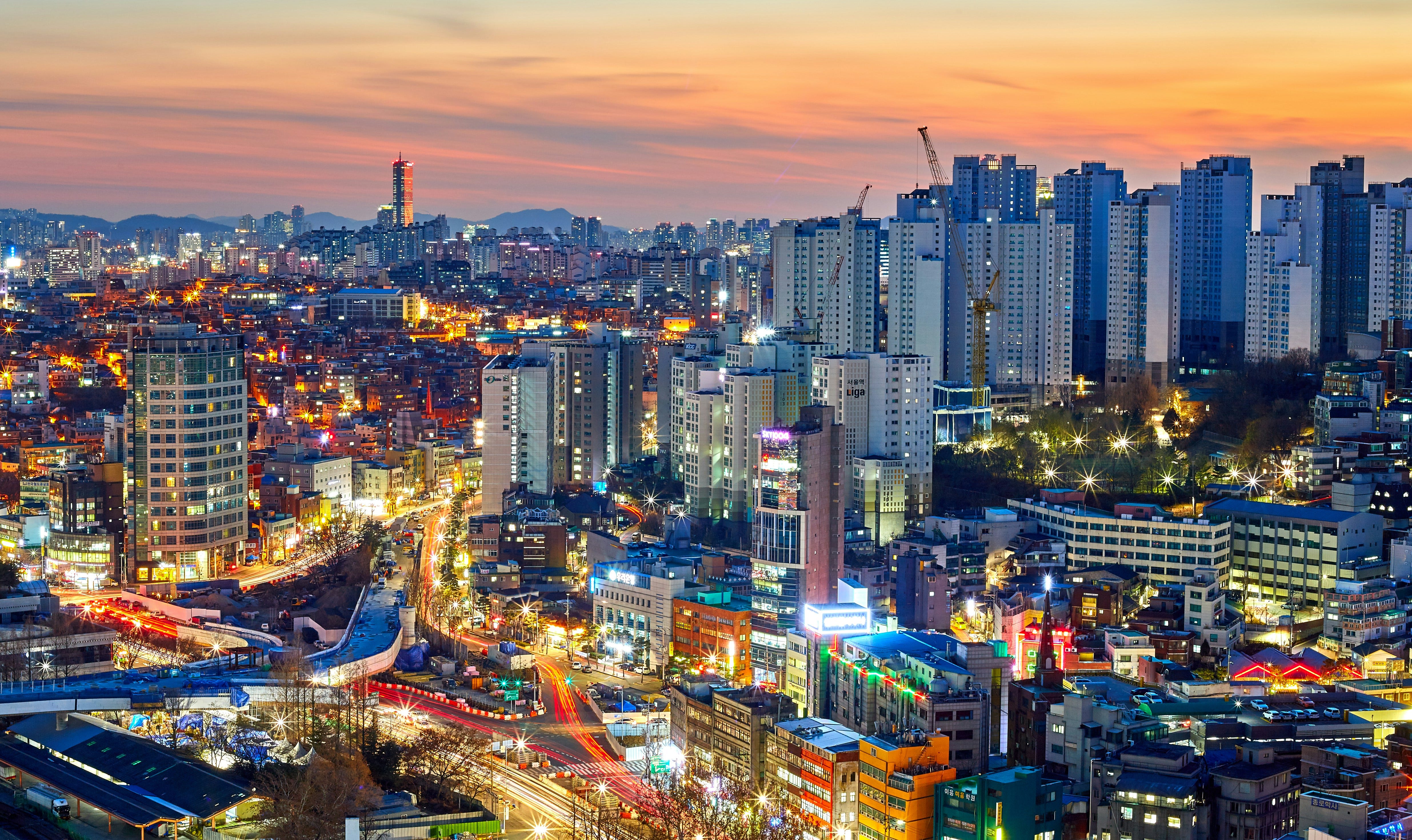
So firstly, medical care is a huge business in Korea and almost completely privatised. There is usually only one public hospital and dental clinic in each city. But there are affordable private clinics, dentists and pharmacists literally on every corner in Korea, and Koreans access medical care three times as much as any other OECD nation. To visit a General Practitioner (GP) costs about AU$5 out of pocket, and most other specialists cost up to AU$10 out of pocket. A typical pharmacy script will be about AU$3. However, hospital care and surgery is very expensive. Even if you are fully insured, surgery will cost upwards of AU$1000, depending on the surgery and how often you have used your policy. One of our church members needed emergency life-saving surgery and was left with a AU$20,000 bill. There is almost no public hospital safety net for low-income families. Not long after we arrived I met a Korean-Australian pharmacist at my local doctor’s clinic who told me that if you have minor illness, the Korean system works better, but if I have a serious illness like cancer, you I should return to Australia.
Easy access to care.
Unlike Australia, GPs are not your first point of access. Patients don’t need a referral to go to a specialist in Korea, or even an appointment! If you need something basic like medication for food poisoning you go to an ‘Internal Medicine’ clinic but if you have a virus you can go directly to an Ear Nose Throat doctor (ENT), like I did when I had vertigo. When Audrey broke her arm, we went straight to an orthopaedic clinic. We had no appointment but waited only 20 minutes to see the doctor. Audrey had an x-rays and an MRI scan done onsite immediately. That visit cost us $80 out of pocket including all the scans, while the cost covered by our national health insurance was more than $250.
It’s typical for clinics here to have radiology, pathology, pharmacy and even day surgery onsite. This means you get a diagnosis and treatment in one day without any waiting or travel. The Guardian newspaper published an article recently about African American women who are travelling to Korea to access medical care – not just cosmetic medical tourism but diagnostic and preventive medicine that is harder to access and more expensive at home. This doesn’t surprise me because the quality of patient care here really is unmatched.
Prevention is cheaper than a cure
Another great part of the model here is the regular health check service provided by the national health insurance. South Koreans can have a full health checks (including scans and blood tests) every two years at very low cost. Charlie had his health check up early this year at a private hospital and it cost him $50. The three hour appointment included cancer screenings, fitness and mental health, and various blood tests (ask him about his results next time you see him, he was really proud of them). Basically, the Korean government realised that they save a lot of money by catching health issues early rather than at later stages when treatment is expensive. Personally I would love to see this in Australia but I don’t know if our public system has the capacity.
When it goes wrong…
A privatised medical care system has serious weaknesses. Last year two pregnant friends of mine who needed care were refused admittance by the hospital they went to for help. One mother’s twin pregnancy was high risk and the hospital did not want to be liable. The other mother was refused because the hospital had no incubator bed available that day. The first friend lost her babies at 30-something weeks because no hospital would admit her and the other spent a month in a hospital in another city.
I’ve also noticed that there seems to be over-prescription of medication here. When I went to a specialist for shoulder pain due to an injury, he prescribed me a strong painkiller even though I hadn’t asked for any (it was handed to me at the desk). At our next appointment I explained that my pain wasn’t enough to merit such strong medicine and asked why he had prescribed something I didn’t ask for. He was really taken aback. Korea also has the second highest rate of antibiotic use in the OECD which doesn’t surprise me- Koreans are big believers in taking as much medicine as possible.
There are other problems with the Korean health which I’m not qualified to comment on, like doctor training and medical malpractice suits, but you can read more here. Overall, I think the Australian health system could learn a lot from the South Korea when it comes to preventive and comprehensive care. But if I were to have a major health crisis like cancer I would want to be treated in Australia where I’m less likely to be bankrupted.
Such an interesting read! Wouldn't it be great to mix and match learnings from everywhere and to design the world's best health care system. Sorry to hear you are struggling with more than your normal share of health challenges. One of the challenges of not being in your normal environment.